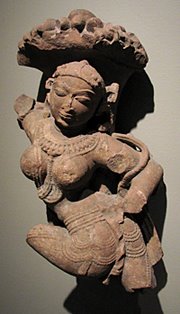
“Modern theories about rational choice and information processing don’t adequately explain weakness of the will. The older metaphors about controlling animals work beautifully. The image that I came up with for myself, as I marveled at my weakness, was that I was a rider on the back of an elephant. I’m holding the reins in my hands, and by pulling one way or the other I can tell the elephant to turn, to stop, or to go. I can direct things, but only when the elephant doesn’t have desires of his own. When the elephant really wants to do something, I’m no match for him.” (p. 4)
“In sum, the rider is an advisor or servant; not a king, president, or charioteer with a firm grip on the reins. The rider is Gazzaniga’s interpreter module; it is conscious, controlled thought. The elephant, in contrast, is everything else. The elephant includes the gut feelings, visceral reactions, emotions, and intuitions that comprise much of the automatic system. The elephant and the rider each have their own intelligence, and when they work together well they enable the unique brilliance of human beings. But they don’t always work together well.” (p. 17)
“The elephant was shaped by natural selection to win at the game of life, and part of its strategy is to impress others, gain their admiration, and rise in relative rank. The elephant cares about prestige, not happiness, and it looks eternally to others to figure out what is prestigious. The elephant will pursue its evolutionary goals even when greater happiness can be found elsewhere. If everyone is chasing the same limited amount of prestige, then all are stuck in a zero-sum game, an eternal arms race, a world in which rising wealth does not bring rising happiness. The pursuit of luxury goods is a happiness trap; it is a dead end that people race toward in the mistaken belief that it will make them happy.” (p. 101)
— from The Happiness Hypothesis: Finding Modern Truth in Ancient Wisdom, by Jonathan Haidt
Showing posts with label psychology. Show all posts
Showing posts with label psychology. Show all posts
Wednesday, April 16, 2008


Thursday, April 10, 2008
The Pursuit of Happiness
The most widely reported conclusion, from surveys done by psychologist Ed Diener, is that within any given country, at the lowest end of the income scale money does buy happiness: People who worry every day about paying for food and shelter report significantly less well-being than those who don’t. But once you are freed from basic needs and have entered the middle class, the relationship between wealth and happiness becomes smaller. The rich are happier on average than the middle class, but only by a little, and part of this relationship is reverse correlation: Happy people grow rich faster because, as in the marriage market, they are more appealing to others (such as bosses), and also because their frequent positive emotions help them to commit to projects, to work hard, and to invest in their futures. Wealth itself has only a small direct effect on happiness because it so effectively speeds up the hedonic treadmill. For example, as the level of wealth has doubled or tripled in the last fifty years in many industrialized nations, the levels of happiness and satisfaction with life that people report have not changed, and depression has actually become more common. Vast increases in gross domestic product let to improvements in the comforts of life — a larger home, more cars, televisions, and restaurant meals, better health and longer life — but these improvements became the normal conditions of life; all were adapted to and taken for granted, so they did not make people feel any happier or more satisfied.
— Jonathan Haidt
The Happiness Hypothesis, pp. 88-89
— Jonathan Haidt
The Happiness Hypothesis, pp. 88-89
Subscribe to:
Posts (Atom)